
Wars and Unruled AI: A Map of Italian Managers’ Concerns
Share this article
The start of the new working year, for Italian managers, is not a light one. That is what emerges from research carried out by AstraRicerche for Manageritalia, the federation of managers, middle managers and executive professionals in commerce, transport, tourism, services and advanced tertiary, covering more than 1,000 managers. For the first time, the global geopolitical picture ranks first among the risk factors perceived at the return to work, overtaking issues that have dominated the economic agenda in recent years, such as energy costs, raw material prices and weak domestic demand. What concerns managers most is the knock on effect of wars, tensions and instability on prices, markets and value chains.
Unruled AI Joins the Main Worries
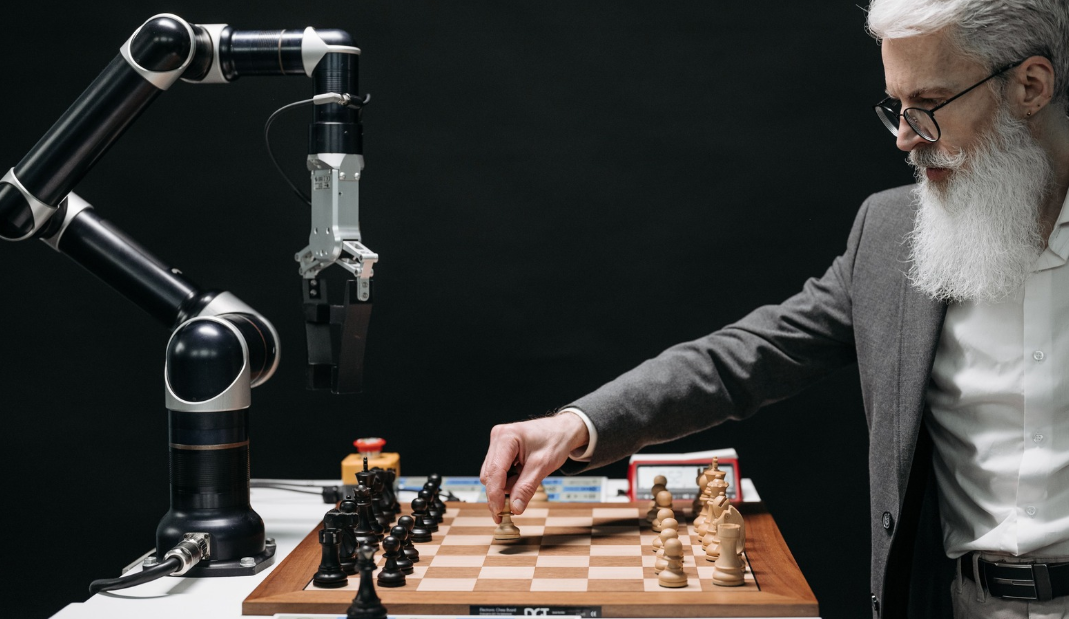
Alongside the international scenario comes something new: the ungoverned use of artificial intelligence inside organisations. The fear that AI adoption is moving ahead without adequate skills, rules and governance records one of the largest increases compared with last year and now sits among management’s main perceived issues. And yet AI is also the main area of planned investment for companies in the last four months of 2026, ahead of strengthening commercial activity and digitalising processes. It is a double reading: a major competitive opportunity, and a factor that demands responsible management to avoid organisational, employment and ethical risks.
Pessimism About the World, More Confidence at Home
The picture changes when managers look at their own business. On the world economy, pessimism prevails: 50.6% expect the international picture to worsen in the coming months. On the prospects for their own company and career, by contrast, expectations are more positive. It is an interesting signal: even in a difficult external scenario, many organisations keep investing in their ability to adapt and grow.
What Managers Ask of Institutions
Ahead of the next Budget Law, the fight against tax evasion is the most urgent measure, named by 58.9% of respondents among their top four priorities. An approach centred on productivity incentives then prevails: 46.9% see cutting tax on performance bonuses as the most effective tool to raise productivity and pay, followed by a reform of Irpef income tax rates in favour of the middle class (37.8%), judged more effective than a statutory minimum wage (18.9%).
From Concern to Vision
The message from management is pragmatic. The real challenge is not only to face uncertainty but to turn it into vision, adaptation and innovation, and in a scenario marked by geopolitical tension and accelerating AI, prepared leaders are needed, along with companies that invest in skills. The survey gives the image of a management aware of the challenges and convinced that competitiveness, innovation and growth are strengthened by conditions favourable to investment, by valuing the role of managers and by rewarding productivity.
What It Means for Companies
For those running a company, uncertainty cannot be eliminated, but it can be turned into decision making ability. It is a field close to Euren’s work: identifying and assessing, through executive search and assessment, leaders able to decide in unstable scenarios; developing the skills of managers who will have to govern AI with rules and awareness; and supporting organisations, through change management and business advisory, in the investment and reorganisation choices 2026 demands. The research suggests that skills and governance, more than individual tools, will make the difference in the months ahead.

